Студия звукозаписи: common mistakes that cost you money
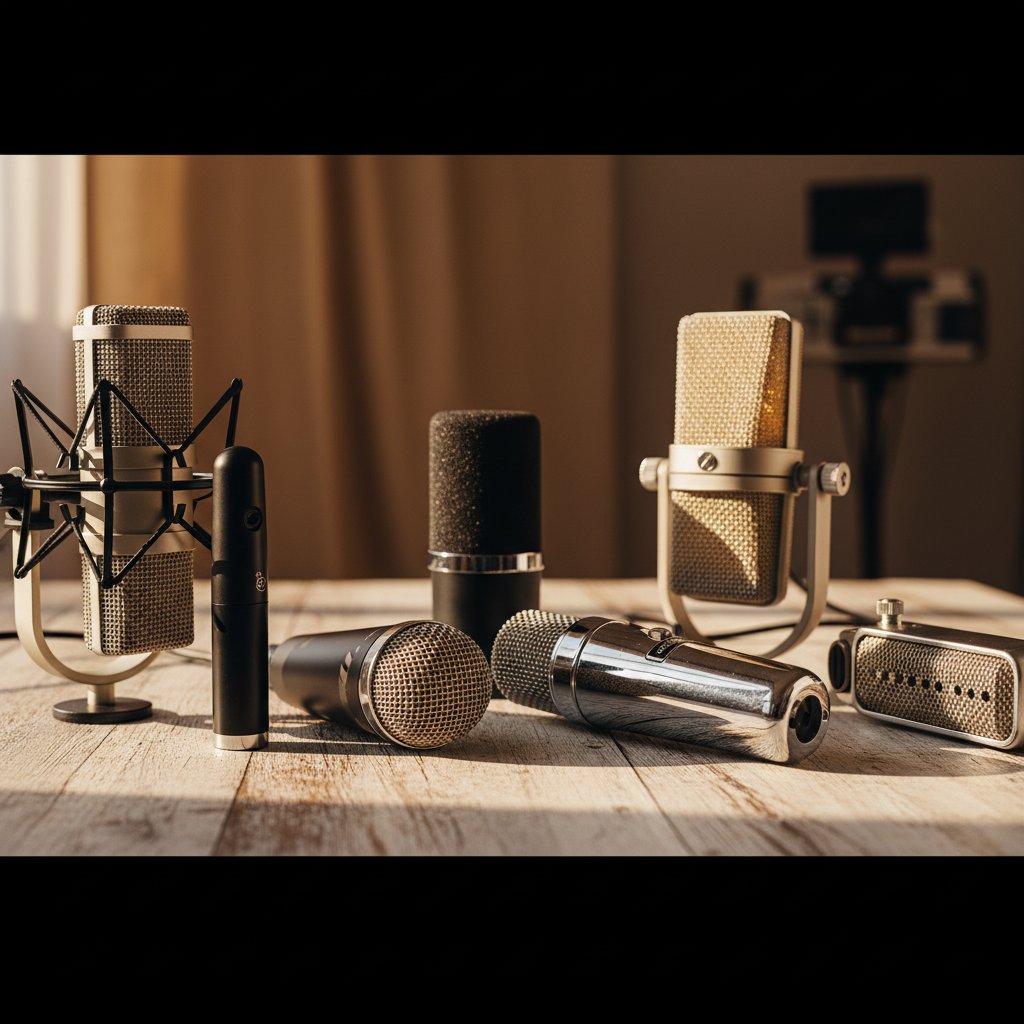
The Expensive Truth About Recording Studio Mistakes
Last month, a band walked into my friend's studio with a horror story. They'd blown $3,000 at another facility and left with unusable tracks. The problem? They didn't know what they didn't know.
Recording studios aren't cheap. Hourly rates range from $50 to $500+, and every wasted minute burns through your budget like a hot knife through butter. Most musicians obsess over gear and acoustics, but the real money drain comes from two competing approaches to studio work: the "wing it and hope" method versus the "over-prepare and suffocate" strategy.
Both extremes will empty your wallet faster than you can say "one more take." Let's break down where artists actually lose money.
The "Wing It" Approach: Flying by the Seat of Your Pants
What This Looks Like
You book studio time without demos, show up with rough song ideas, and figure you'll "feel it out" during the session. After all, spontaneity breeds creativity, right?
The Hidden Costs
- Writing on the clock: At $75/hour, spending two hours figuring out a bridge section costs $150. That same work in your bedroom? Free.
- Endless retakes: Without a clear arrangement, you'll record the same section 15-20 times trying different ideas. That's 3-4 hours gone.
- Decision paralysis: Studios charge whether you're recording or debating if the chorus needs a tambourine. One band I know spent $400 just discussing drum sounds.
- Mixing nightmares: Engineers charge 30-50% more to fix poorly recorded tracks. Sloppy timing and inconsistent takes turn a $500 mix into $750.
Where It Actually Works
Jazz sessions and experimental projects thrive on improvisation. If you're capturing a live vibe with seasoned musicians who can nail parts in 2-3 takes, spontaneity pays off. But that's maybe 10% of studio sessions.
The "Over-Prepare" Trap: Death by Pre-Production
What This Looks Like
You spend months on demos, meticulously program every drum hit, and arrive with a 47-point checklist. The song exists perfectly in your head, and anything less feels like failure.
The Hidden Costs
- Demo obsession: You've heard your bedroom demo 500 times. Now you're burning studio hours trying to recreate that slightly out-of-tune guitar part because it "felt right." This costs 2-3 hours per song.
- Paralysis by analysis: You question every microphone choice, every EQ decision. Engineers call this "producer's disease," and it doubles session time.
- Fighting the room: Your home demo sounds different than the studio. Instead of adapting, you spend hours chasing a sound that only existed in your untreated bedroom. Budget killer.
- Perfectionism spiral: The vocal take was 98% perfect, but you want that one word redone. Then another. Six hours later, you've spent $450 on diminishing returns.
Where It Actually Works
Commercial pop production and film scoring require precision. When you're working with session musicians charging $200+ per song, tight preparation prevents expensive mistakes. But most indie artists don't need this level of control.
Cost Comparison: Real Numbers
| Expense Category | "Wing It" Method | "Over-Prepare" Method |
|---|---|---|
| Average wasted studio time per song | 4-6 hours | 3-4 hours |
| Cost at $75/hour studio rate | $300-450 | $225-300 |
| Additional mixing costs | +40% ($200 extra) | +15% ($75 extra) |
| Likelihood of re-recording | 60% | 25% |
| Total budget overrun (4-song EP) | $2,000-2,800 | $1,200-1,500 |
The Smart Middle Path
Here's what actually saves money: Record tight demos at home. Not to recreate them, but to make decisions before the meter runs. Know your arrangements, practice with a click track, and tune your damn guitar.
But stay flexible. That random idea your drummer suggests? Try it. Takes 10 minutes and might be brilliant. The goal isn't perfection or chaos—it's efficient creativity.
The bands who nail this spend 40% less time in studios. They track an EP in two days instead of four. Their mixes require minimal fixes. They actually enjoy the process instead of stress-sweating over every decision.
Your studio time should feel like capturing lightning, not manufacturing it from scratch or trying to bottle the exact lightning you caught three months ago in your bedroom. Prepare enough to be dangerous, but not so much you've lost the plot.
That $3,000 disaster I mentioned earlier? They re-recorded everything at a different studio with better preparation. Cost them $1,200 and sounded infinitely better. Sometimes the expensive lesson is the one that sticks.