Студия звукозаписи in 2024: what's changed and what works
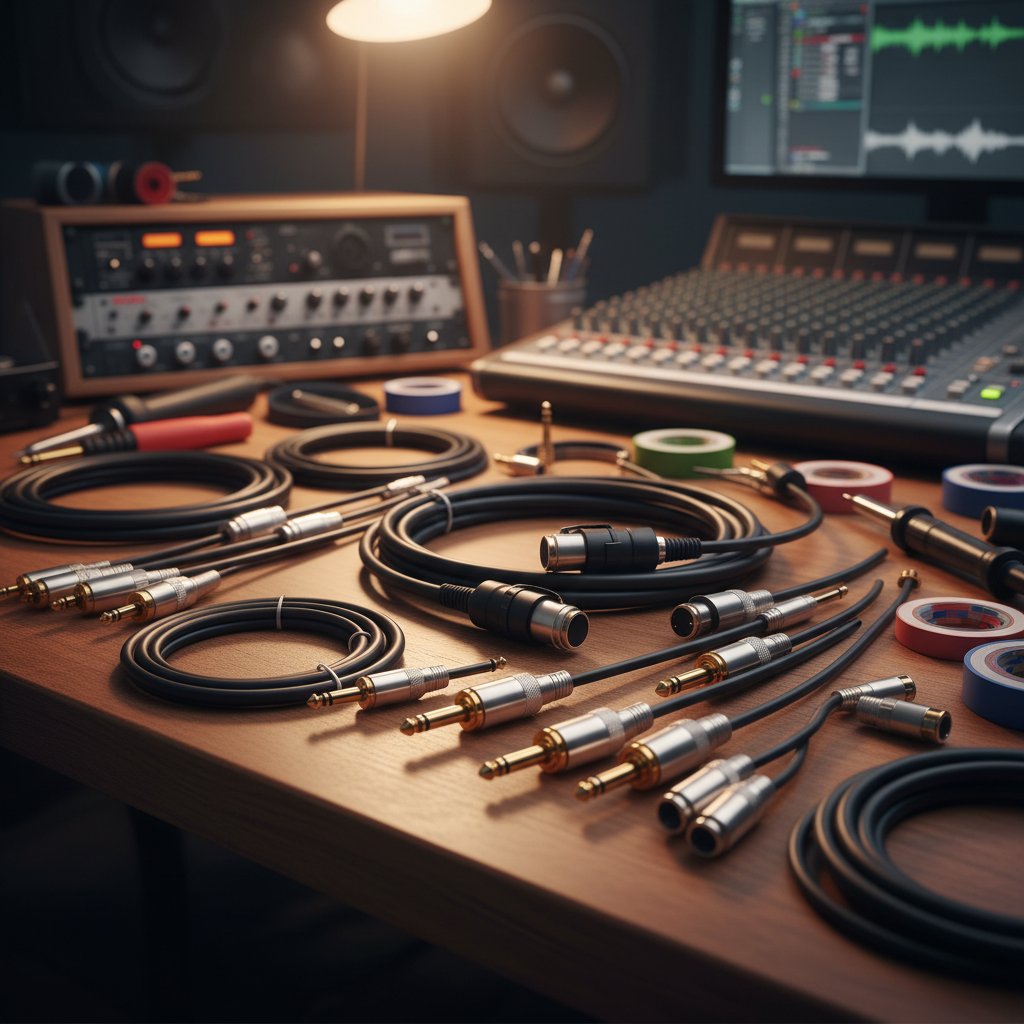
Recording studios aren't what they used to be. The past year has scrambled the playbook—again. What worked in 2023 feels almost quaint now, and the gear sitting in your rack might be gathering dust while software you've never heard of dominates the conversation. Let's cut through the noise and talk about what's actually happening in recording studios right now.
1. AI Plugins Have Gone From Novelty to Necessity
Remember when auto-tune was controversial? That's where we are with AI mixing tools, except the timeline compressed from decades to about 18 months. Plugins like iZotope's AI-powered mastering assistants and Neutron's mix suggestions aren't replacing engineers—they're becoming the rough draft. Smart studios are using them to knock out 70% of the tedious work in minutes, then spending their creative energy on the remaining 30% that actually matters.
The real shift? Clients expect faster turnarounds now. A full mix that took three days in 2022 needs to happen in one day in 2024, and AI tools are the only reason that's possible without sacrificing sleep. Studios charging $500 per song are competing with bedroom producers using the same plugins, so the value now lives in arrangement decisions and creative direction, not just technical execution.
2. Dolby Atmos Isn't Optional Anymore
Apple's push for spatial audio turned what seemed like a gimmick into a requirement. If you're mixing for streaming—and let's be honest, that's everyone—you need Atmos capability. Studios are retrofitting control rooms with ceiling speakers, and the investment runs between $8,000 and $25,000 depending on how fancy you get.
Here's the thing nobody mentions: most listeners still hear music through their phone speakers or cheap earbuds. But artists want that "Also available in Spatial Audio" badge on Apple Music, and labels are writing Atmos deliverables into contracts. You don't need to love it, but you need to offer it. The studios making money in 2024 treat it like another format—not the future of music, just another checkbox on the deliverables list.
3. Hybrid Setups Beat Pure Analog or Digital
The analog-versus-digital holy war finally died. Studios that survived the streaming revenue collapse figured out that dogma doesn't pay rent. The winning formula? Two or three pieces of genuine analog gear—usually a compressor and a preamp—running into a completely digital workflow. You get the warmth and character clients think they want, with the recall and editing speed you actually need.
A Neve 1073 preamp costs around $3,500 and provides enough analog mojo to justify higher rates. Everything else can happen in the box with plugins that cost $200 instead of $20,000. This isn't about compromising—it's about recognizing that the $40,000 analog console sounds maybe 8% better than a quality interface, but takes 400% longer to work with.
4. The Vocal Booth Is Shrinking (Or Disappearing)
Podcasters normalized talking into microphones in regular rooms, and that psychology bled into music. Artists—especially younger ones—feel more comfortable recording in the control room, sitting on the couch, mic on a stand three feet away. The isolated vocal booth feels clinical and intimidating to performers who grew up making demos in their bedrooms.
Studios are responding by making control rooms double as live rooms. Moveable acoustic panels, reflection filters, and dynamic microphones that reject room noise mean you can capture perfectly usable vocals without that glass barrier. Sure, you lose some isolation, but you gain performances that feel natural. When the artist is relaxed, you get takes worth keeping on the first or second pass instead of the fifteenth.
5. Session Musicians Are Booking Remote
COVID normalized remote recording, but 2024 made it the default. A session guitarist in Nashville can send you stems by dinner time, and they cost $150 instead of the $400 you'd pay locally plus studio time. Platforms like SoundBetter and Airgigs turned session work into gig economy work, which sucks for full-time session players but saves independent artists thousands per project.
The smart move? Studios are partnering with remote players and taking a coordination fee. You become the producer who knows which violinist delivers clean takes without endless revisions, which drummer understands the assignment without a video call. Artists pay you $800 for the session, you pay the musician $300, and everyone wins except the guy who used to charge $500 to show up with his Stratocaster.
6. Hourly Rates Are Dead, Project Pricing Lives
Charging $75 per hour made sense when recording was mysterious and time-consuming. Now artists know exactly how long things should take because they watched YouTube tutorials. They don't want to pay for the two hours you spent troubleshooting a plugin or getting drum sounds—they want a finished song for a flat rate.
Successful studios switched to project-based pricing: $600 for a single, $3,500 for an EP, $8,000 for an album. You work faster because efficiency increases your effective hourly rate. The client knows the total cost upfront. Nobody's watching the clock, so sessions feel creative instead of transactional. You can still lose money if you underestimate the work, but that's why you build revision limits into the contract.
The studios thriving right now aren't the ones with the most expensive gear or the biggest rooms. They're the ones that figured out how to deliver what 2024 artists actually need: fast turnarounds, streaming-ready formats, and comfortable creative spaces. The technology keeps changing, but the fundamentals stay the same—make people sound better than they thought possible, and do it without draining their budget or their patience.