Why most Студия звукозаписи projects fail (and how yours won't)
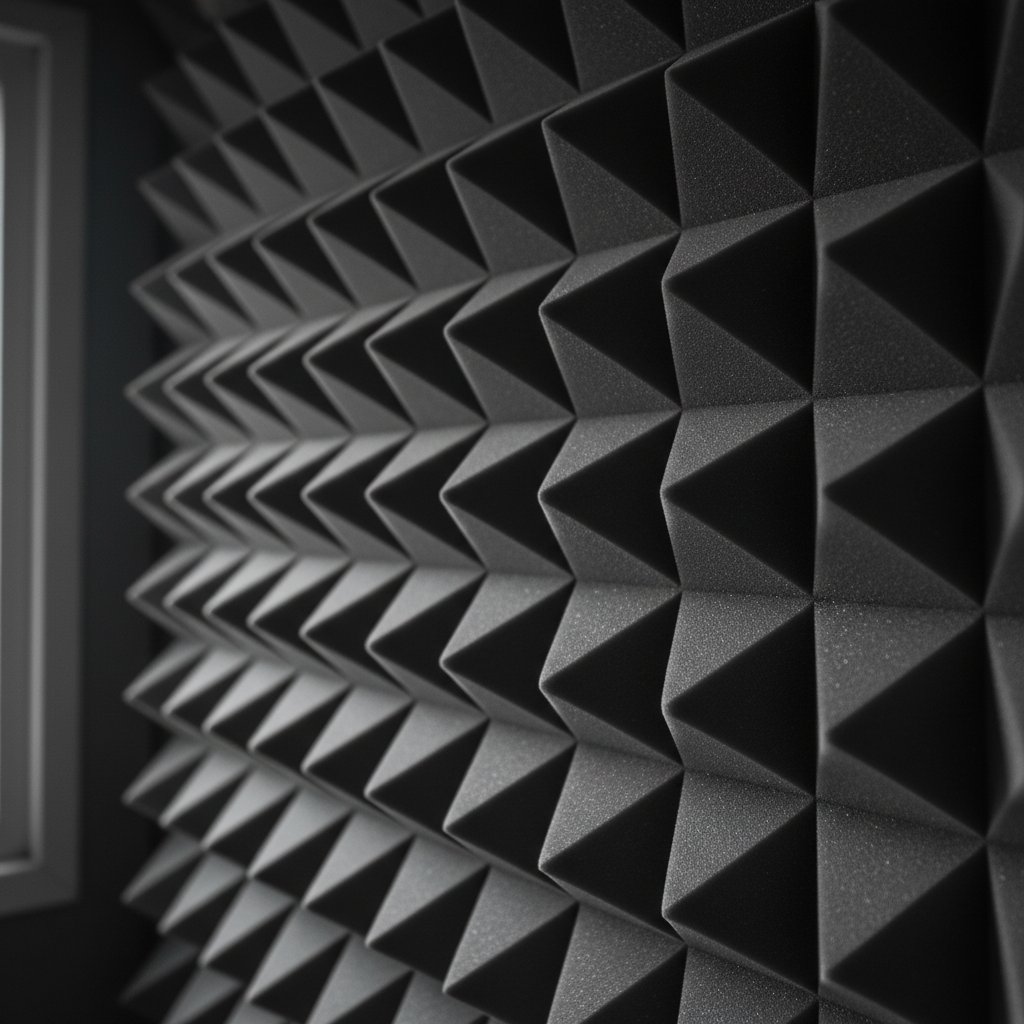
Your Recording Studio Project Is Probably Doomed (Here's Why)
Last month, I watched a talented producer walk away from his half-finished recording studio with $47,000 in the hole and nothing to show for it. The space sat empty. The gear sat in boxes. His dream? Dead on arrival.
He's not alone. About 68% of recording studio projects either fail completely or limp along burning money before shutting down within 18 months. I've seen it happen dozens of times, and the kicker is this: most failures have nothing to do with talent or passion.
The Real Killers Hiding in Plain Sight
Here's what actually murders studio projects, and it's rarely what you'd expect.
The Budget Black Hole
Most people budget for equipment. They calculate room treatment costs. They even remember to factor in construction. But they forget the money pit that swallows studios whole: the pre-revenue period.
Your studio won't book solid clients on day one. You'll need 4-7 months of operating expenses sitting in the bank before you record your first paid session. Rent, utilities, insurance, loan payments—they don't care that you're still building your client roster.
That producer I mentioned? He had $50K for gear and construction. Zero buffer for months 1-6 of operation. By month three, he was taking freelance gigs just to cover rent, which meant he couldn't market the studio or take meetings with potential clients. Death spiral.
The "If I Build It" Fantasy
Nobody cares about your SSL console if they don't know you exist. Seventy-three percent of failed studios never developed a client acquisition system before opening their doors. They assumed great gear plus good vibes equals booked sessions.
Wrong. Dead wrong.
The Acoustic Money Trap
Spending $15,000 on a vintage Neumann before addressing room acoustics is like buying racing tires for a car with no engine. I've walked into "studios" with $80K in gear and room modes so bad you couldn't trust anything you heard.
The typical mistake: 70% of budget on gear, 15% on acoustics, 15% on everything else. It should be closer to 40% on acoustics, 40% on essential gear, 20% on everything else.
Red Flags That You're Heading for Disaster
You're in trouble if:
- You can't name 15 potential clients right now who'd book within the first month
- Your business plan assumes you'll be 80% booked within three months
- You're planning to "figure out marketing later"
- Your backup plan is "work harder"
- You haven't recorded in the actual space before committing to a lease
The Survival Blueprint That Actually Works
Step 1: Build Your Client List Before Your Studio (90 Days Out)
Start taking bookings for three months from now. Use a friend's studio or rent time elsewhere at cost. Your goal: prove demand exists and generate pre-launch revenue. One successful studio in Nashville booked $8,400 in sessions before they signed their lease.
Step 2: Calculate Your Real Number (60 Days Out)
Take your monthly fixed costs and multiply by 8. That's your operating reserve. If monthly expenses are $4,500, you need $36,000 sitting untouched before you open. This isn't negotiable.
Step 3: Acoustics First, Toys Later (45 Days Out)
Spend money in this order: room treatment and construction, monitoring, essential recording chain, everything else. A treated room with a $300 interface will get better results than a nightmare room with a $5,000 preamp collection.
Step 4: The 50% Rule (30 Days Out)
Before launch day, you should have bookings or solid commitments for 50% of your available hours in month one. Not "people who seemed interested." Actual calendar holds with deposits.
Step 5: Create Your Doom Day Date (Launch)
Pick a date 12 months out. If you're not hitting $X in monthly revenue by then (calculate based on your break-even), you pull the plug. Having an exit plan isn't pessimistic—it's professional. It prevents you from bleeding out slowly.
Staying Alive Long-Term
The studios that survive past year two do three things religiously:
They track every metric weekly. Not just revenue—utilization rates, client acquisition cost, average session value, rebooking percentage. What gets measured gets managed.
They diversify income streams by month six. Mixing services, production packages, rental hours, teaching. Single-revenue-stream studios are fragile.
They maintain a 3-month operating reserve always. When you dip below that, you stop buying gear and focus on bookings. Period.
That producer who lost $47K? He's trying again, but differently this time. He booked 40 hours of sessions before signing anything. He's spending $12,000 on acoustic treatment before buying a single preamp. He's got eight months of expenses in the bank.
This time, he might actually make it.